

Why have we never dumped the Little Black Dress?
- rowenaphillips
- Mar 13, 2022
- 3 min read
Updated: Mar 14, 2022
One of the most iconic fashion items, the little black dress. Why do we still love it now, and how has it adapted over the past century. Will we ever say goodbye to the Little Black Dress?
Little black dresses are a staple in women’s wardrobes, from casual wear to evening gowns, they are a trustworthy choice to turn to for many occasions.

Created by Coco Chanel in 1926, the little black dress began as a straight, V-neck dress made from crêpe de Chine. This later evolved to different fabrics – wool and chenille were used for daytime little black dresses while satin, velvet and crepe were used for the elegant evening dresses. Throughout the twenties, the dresses developed, adding trims, collars and changing the shape to a more flared design. The LBD was designed as Chanel preferred darker colours and thought bright colours deserved to be worn just on stage.
“A woman can be overdressed, but never over elegant” – Coco Chanel

Along came the thirties and the great depression. People chose affordability and simple designs, so the little black dress thrived despite being a time of economic depression. The LBD entered mainstream fashion through the use of cheaper, synthetic fabrics, including nylon and rayon. Designs were adapted to fit the flapper era, through straight fit designs and use of pearls and tassels.


The New Look era arrived in the 1940s thanks to Christian Dior, and the little black dress changed its style again. Dior rejected the 20s and 30s designs and created a LBD with fuller skirts and tighter waists, despite the backlash of using more fabric after rationing in previous decades. The little black dress took a step back in the 1950s. Wearing a little black dress in the 50s was seen as an act of rebellion, as it was an era of being sexually conservative.

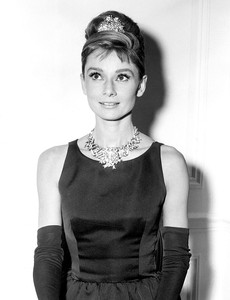


During the Women’s Liberation Movement in the 1960s, 70s and 80s, the little black dress became more daring and personal. During the swinging sixties, the LBD was divided between age groups. Young women wore shorter, tighter dresses, while older women stuck with longer, more flowing dresses. The most iconic dress of the decade, if not the most iconic LBD, was the Breakfast at Tiffany’s dress worn by Audrey Hepburn. Both the 60s and 70s little black dresses had features of embellishment, before the punk era arrived. The 70s style featured feminine ruffles and the use of sheer fabric. The LBD joined the punk style, through the style changing to PVC paired with fishnet tights and safety pins.


The nineties introduced another iconic dress, Princess Diana’s “Revenge Dress”, on the same night it was revealed Prince Charles was unfaithful during their marriage. The mainstream little black dresses were simple and tightfitting, and often worn with combat boots or sandals, inspired by the Spice Girls. Today, little black dresses are inspired by styles from the past century, from lengths, trims, sequins, pearls, and neckline.
The little black dress is still as powerful as it was in the twenties. It represents power, femininity and an expression of style and personality. The little black dress can be adopted by all styles, due to the different variety of designs, fabrics, necklines, and embellishment. The dress has travelled through time and styles, and often many trends from previous decades return to styles today. The little black dress has stuck throughout the change in society, from two World Wars, Great depression, feminism movement and the development of clothing manufacturing and technology. Many different political movements have been reflected in the little black dress, from low cut and short in the sixties as a feminist power move, to punk styles to reflect the non-conformity of mainstream culture and styles in the 80s.
Little black dresses have an iconic legacy, and it’s fair to say, they’re not going anywhere anytime soon.


Comments