

The Platform: Trickling across from practical to pretty.
- rowenaphillips
- May 9, 2022
- 3 min read
Practical, adds height and style, what’s not to love about platform shoes.
We all love a bit of platform, and they’re the shoe of this summer, but when did we become so obsessed with them?
Platform shoes are trickling across the fashion industry, but what exactly does this mean? Within fashion, trends can do one of three things; trickle up, down or across. Trickle-down theory refers to trends designed by high fashion and trickles down to general population and the high street, while trickle up theory is the reverse. Trickle up theory is when fashion from subcultures and street-style inspires couture fashion, whereas trends within the trickle across theory moves across subcultures and socioeconomic groups at the same level.





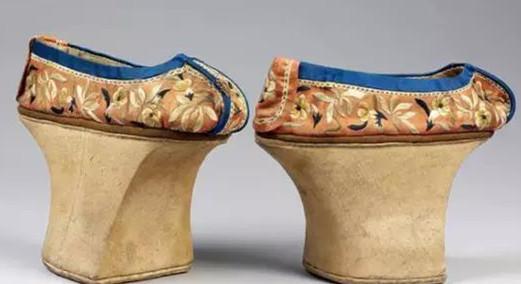
While we usually associate platform shoes with the 1970s, platform shoes origins lie considerably further back. The Greeks wore platform shoes in 600BC, to add height when performing plays, while in the Middle Ages, thick wooden shoes with leather straps were worn to avoid feet getting wet in damp, rainy streets. In Japan in the 16th century, what we know now as a flip flop style, known as Geta, were worn to protect delicate kimonos from touching the ground. Qixie shoes, originated in China during this era, featured separate heels and embroidery decoration.
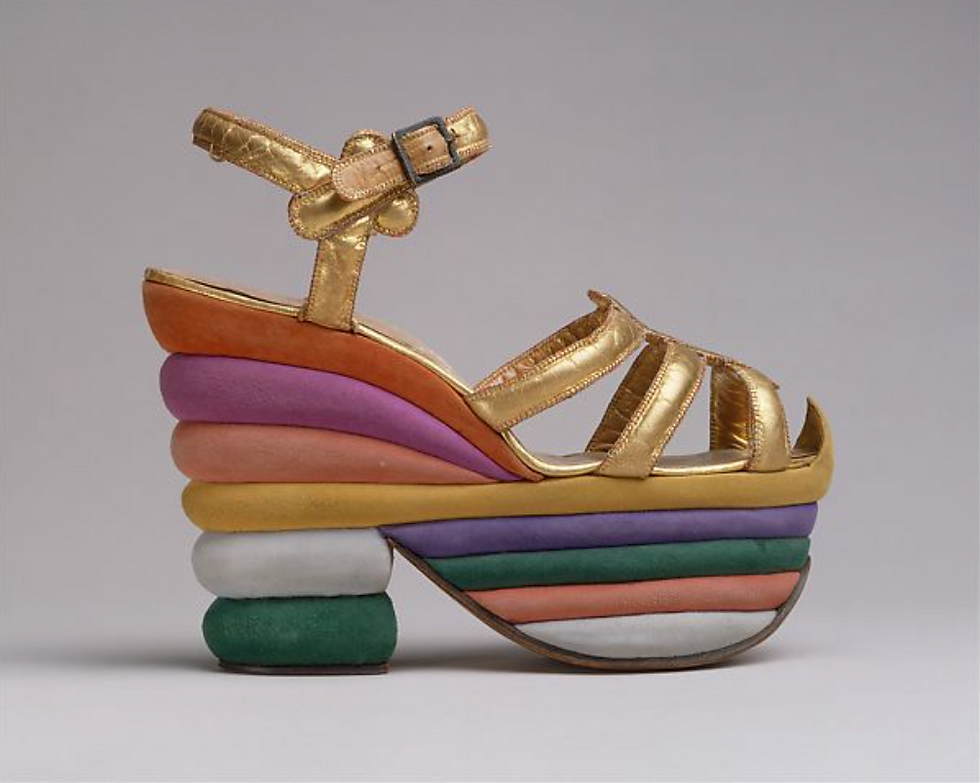
So, when did platforms become fashion? In the 1930s, designer Mosche (Morris) Kimel created a platform shoe for actress Marlene Dietch. This soon became popular with upper class American citizens, and later entered mainstream fashion. The shoe was constructed using cork, as other materials were rationed during the war period. As cruise holidays thrived in the thirties, holiday makers opted for cork platform shoes as a fashion statement. Another prominent design in the late 1930s was ‘The Rainbow’ platform sandal, designed by Salvatore Ferragamo for Judy Garland after her feature in the Wizard of Oz. The sandal features 6 ‘layers’ from insole to outsole of rainbow suede.





Fast forward to the seventies, the time we remember the most for the platform. Platform shoes were extremely popular for discos, but were adopted by a range of fashion subcultures – including, rock and punk styles. Platform shoes were personalised and fashion identities were expressed, with many being one off pieces of art and handmade. Platforms were worn by celebrities, possibly increasing popularity of the style. Marvin Gaye sported handmade silver platform laced boots, while David Bowie frequently wore platforms in a range of styles and colours. In the 1980s, Vivienne Westwood took a historic spin to platform slippers. The ‘Rocking Horse Slippers’ featured a 14cm wooden platform, which created a rocking horse motion along with ‘poise and elevation’. By the next decade, Westwood created the ‘Super Elevated Gillie’ heel which towered a height over 30cm, featuring lace style inspired by 18th and 19th century fashion. Once worn by Naomi Campbell, before falling over on the Paris catwalk.

After a break in popularity in the 80s, by the 90s platform shoes became mainstream again. Influence from the Spice Girls wearing Buffalo shoes, these were the ‘must have’ shoe of the decade. The Buffalo shoe featured a chunky 5cm rubber and worn by a range of subcultures to express their identity.


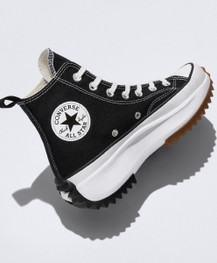


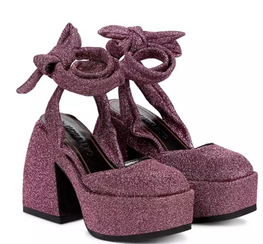


Today, platform shoes grasp inspiration from a range of decades. From chunky flip flops inspired by 16th Century Japan, to Buffalo’s making a comeback in late 2010s, to 70s platform boots adding height still to this day. Many shoes feature added height, from the Balenciaga Croc collaboration, to mainstream Vans and Converse platform shoes.
Since there is such a rich history with platform shoes, they deserve to stick around. Platform shoes have trickled across socioeconomic groups, an example of trickle across theory, where an item is available in both designer and highs street level. Platform shoes have been popularised by celebrities, yet the main influence originated from cultural and practical reasons. Couture styles bring the trend back for different decades, yet high street increase popularity and personalisation of subculture styles.


Comments